




What it costs to run a home: water
Shallow wells, deep wells and town water compared, a simple whole house filter and softener setup, and how water heaters and hydronic systems make hot water.
Read the articleWhat it costs to run a home: water


(256) 803-5600
REMAX PATRIOT REALTY



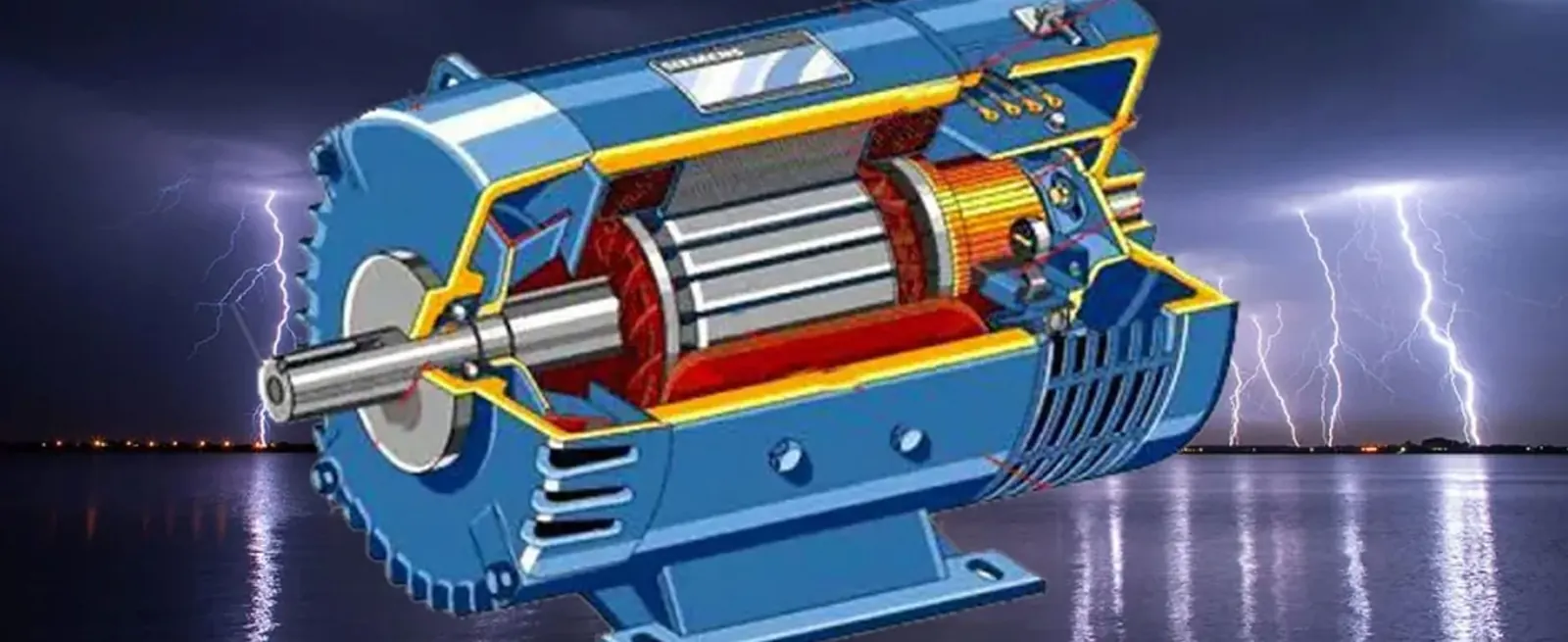
How much generator a home needs, which fuel to choose, what portable and whole house units cost, and how a UPS protects your electronics.
A generator is a motor driven machine that uses a fossil fuel powered motor to drive a coil that produces electricity. Generators come in all different sizes, from small units that are inverters (they convert low voltage electricity to high voltage) all the way to huge units that power towns. The most common ones that most people know about and see in the stores and at people's homes are inverters, portable generators (typically heavy and on wheels) and whole house generators.
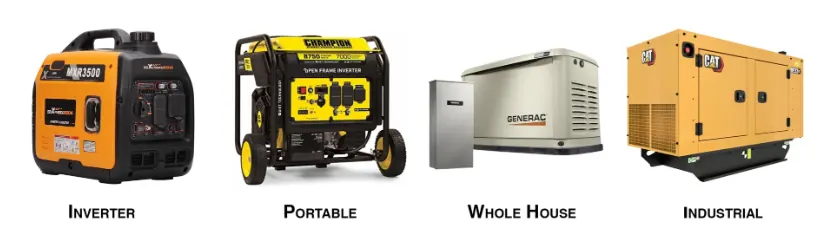
When you consider adding a generator to your home, you need to review all the options. Most important is how much power you need to run the home with a generator. This is not a difficult answer: just look at your electricity bill. You should see how many kW per month you are using. In the previous blog on electricity, we reviewed the different appliances and other items in the home that use electricity. The big items that burn the most power are well pumps, AC units, stoves and ovens, and old appliances. A well pump alone can require 1,400 watts. Well pumps do not run long, but they must have the power to get started.
Generators come in many sizes and options. If you are going to buy a generator for your home but you also want to use it for other things, then a portable unit is best. Gas is your worst enemy for generators, as it is for many items that use gasoline but are not used very often. Today most fuel stations sell gas with ethanol in it, and ethanol tends to gum up if it sits for long periods of time. So buying a portable generator that uses gasoline could be a problem. The manufacturers tell you to drain the gasoline from the unit when you are not using it. Seriously? Have you ever tried to do this? I have, and believe me, it is no fun. Then when you want to use it, you cannot find any gas. Even more frustrating is when you need it, you have the gas, you start it, and it does not run properly and keeps stopping. Then the storm is over, your $1,500 portable generator needs to be serviced, and the service person tells you that the unit is not worth fixing because the gas was left in it for a few years and it is dead. Ouch.
So when looking at a portable generator, buy one that runs on propane. Propane never goes bad. Plus, if you have a few tanks around, you can also use them for the BBQ and other devices.
If you want a small unit that you can use at campsites or on small job sites, look into a Honda inverter, as they are very reliable and start every time. They only produce about 1,500 watts max.
All generators have a rating of constant watts and peak watts. The constant watts is what the unit will give you every minute it is running. The peak watts is what it can give you when something like a well motor kicks on for a second or two, but it will not run at peak watts for much more than a few seconds.
Most generators under 5,000 watts are way too small to run a home. Most of the time, the average home needs 7,500 watts or more. If your home has gas heat, town water and a gas stove, then you can use a smaller generator than a home that has all these devices running on electricity.
Whole home generators that are wired right into your home are the ideal way to protect your home from power outages. These units run on natural gas or propane. If you do not have natural gas, make sure you have a large propane tank. The average whole home generator runs at 1,400 to 2,600 watts per hour and burns 1.5 to 2.5 gallons per hour. So if you have a 250 gallon propane tank, which only holds about 210 gallons, this tank, assuming it is full when you lose power, will run for a max time of 5.5 days. The larger generators will run for only about 2.5 days on one full tank of propane. So if you have a large home and most things in the home run on electricity, you should consider getting a 500 gallon propane tank if you do not have natural gas available.
Small 5,000 watt propane powered generators cost around $2,200. Keep in mind you need to have an electrician hook up a disconnect on the power panel in the home and an external power plug for the generator to connect to. Plus, you must do this manually: you wheel the generator out of the garage, connect the power cable to the house and the generator, go down to the power panel and switch the power over to the generator, all in the dark. You can expect the disconnect and external box for the generator to cost between $500 and $1,000.
A whole house generator is a much larger expense, but it is a fully automatic power system that turns on the second the power is lost to the home. You do not have to do anything; they even test the system every week to make sure it is ready for a failure. Now for the cost: the generator alone ranges from $4,000 to over $12,000, and the average home has a 24 kW unit at $6,000. That is just the generator. The connection to the home and the propane tank or gas connection can take you to $12,000. This is a serious decision for the home, and not one that most DIY people can or should do.
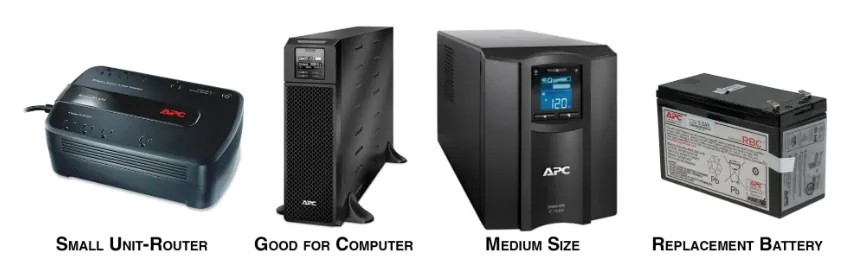
Backup power generators are fantastic, but some devices in your home do not do well with power interruptions (just 0.1 of a second can cause a router or cable box to go crazy). Examples are cable boxes, routers and some smart TVs. If you own these devices, consider buying a UPS (uninterruptible power supply). I have a few of these in my home for all the devices that go crazy when the power does something unexpected. These devices are not expensive, and over time you need to replace the batteries inside them, so when you buy them, make sure you get the ones with a battery you can replace. APC is one of the most popular manufacturers of UPS power supplies. The larger the unit, the larger the battery, the longer it will last and the more devices you can attach to it. In my office I have the larger one, and I can run for about 10 hours.
We hope you have enjoyed this blog. Please keep coming back for more helpful information.
David and Fiona King of The King Team are a dynamic duo leading a group of seasoned professionals specializing in various real estate sectors. The team's broad expertise spans new home construction, subdivision and land development, commercial property, and multi-family and single-family homes.
David and Fiona are committed to making the buying or selling journey enjoyable and informative. The team prides itself on excellence in customer service, always prioritizing their clients' interests in every transaction. Contact them today to get started.
Beyond their real estate prowess, The King Team also holds expertise in lake home sales and acquisition, land development and commercial real estate, providing a comprehensive service to their clients. The team is devoted to realizing their clients' real estate dreams and is eager to cultivate long-lasting relationships built on trust and mutual respect.
David and Fiona King of The King Team have over 40 years of experience and over 125 five-star reviews. With their top-tier service and professional guidance, you can confidently navigate your next real estate journey.
No other agents do what The King Team does for their sellers. From the custom signs, large EDDM mailers, 3D virtual tours and so much more, call The King Team to discuss listing your home at 888.THE.KING (888.843.5464).
Shallow wells, deep wells and town water compared, a simple whole house filter and softener setup, and how water heaters and hydronic systems make hot water.
Read the articleWhat it costs to run a home: water
How power reaches your panel, how to read the bill, and what one porch light, an old garage fridge and electric baseboard heat really cost to run each month.
Read the articleWhat it costs to run a home: electricity
How heating zones save money, what oil, natural gas, propane, wood and pellets cost to burn, and how baseboard, hydronic and forced-air systems move the heat.
Read the articleWhat it costs to run a home: heat
Discover why we are rated #1 in buying and selling real estate in Lewis Smith Lake, Cullman, Jasper and the surrounding areas.
David and Fiona King lead The King Team at RE/MAX Patriot Realty, with expertise spanning new home construction, land development, commercial property, lake homes and single-family homes across Cullman, Jasper and Lewis Smith Lake. Call 256.803.5600 or 888.THE.KING, or visit the office at 3850 AL 69 S, Cullman, AL 35057.

Broker & Owner
“Your realtor should be your advisor, to protect you, and help you find the ideal home/property for your wants and needs.”256.803.5600Email David



Get instant property value now!